
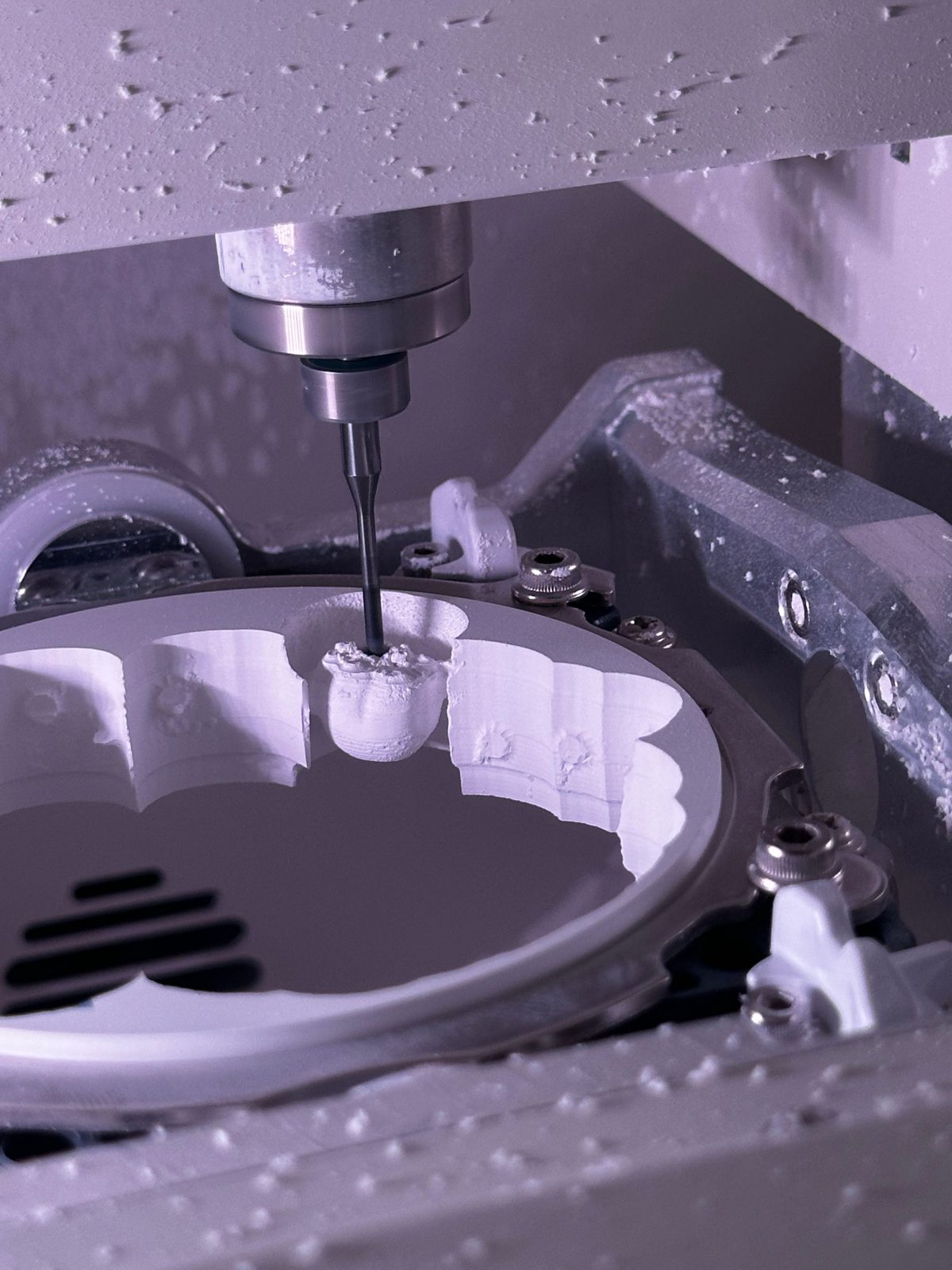
Sourcing custom polymer components requires dependable regional fabrication services that balance tight tolerances with rapid turnaround schedules. When engineers evaluate options for CNC plastic machining near me, they prioritize local expertise, advanced multi-axis milling equipment, and deep material knowledge. Transitioning from generic manufacturing networks to regional machine shops eliminates international freight delays and streamlines direct technical collaboration.
Optimizing Production Workflows with CNC Plastic Machining Near Me
The manufacturing sector increasingly relies on computer numerical control technology to fabricate functional polymer components for demanding industrial applications. Unlike traditional metal fabrication, working with engineering plastics requires specialized cutting parameters to prevent thermal distortion, chip melting, and surface warping. By partnering with regional machine shops that specialize in high-precision fabrication, project managers reduce lead times and optimize supply chain resilience.
Local fabrication facilities equipped with advanced multi-axis milling and turning centers maintain exceptional dimensional stability across a wide array of thermoplastic and thermoset materials. Whether producing lightweight housings from ABS or wear-resistant gears from acetal, regional providers deliver rapid prototyping and low-volume production runs tailored to exact project specifications. This proximity allows engineering teams to inspect first-article samples directly on the shop floor, accelerating design validation cycles.
Engineering Advantages of Sourcing Custom CNC Plastic Parts Locally
Designing functional assemblies from engineering plastics demands careful consideration of mechanical loads, thermal expansion coefficients, and friction properties. When specifying CNC plastic parts, collaborating directly with local application engineers helps teams select the most appropriate resin grade for their specific operating environment. Regional machinists understand how specific polymers behave under aggressive tool engagement, allowing them to adjust feed rates and spindle speeds dynamically.
Furthermore, local sourcing removes the logistical friction of overseas shipping and customs clearance. Communication barriers disappear when technical discussions occur in real time, enabling rapid design iterations when unexpected geometric adjustments arise during assembly prototyping. This collaborative dynamic ensures that final production batches meet strict functional requirements without costly delays.
Evaluating Capabilities for Plastic CNC Machining Near Me
Finding the right fabrication partner involves auditing shop floor machinery, quality control protocols, and material inventory. Facilities offering plastic CNC machining near me should maintain dedicated clean environments or specialized stock storage to prevent moisture absorption in hygroscopic polymers like nylon and polycarbonate. In addition, machine operators must possess specific training in polymer subtractive techniques, which differ significantly from aluminum and steel machining practices.
Shops specializing in synthetic materials utilize sharp carbide tooling with polished flutes to evacuate chips cleanly and prevent thermal buildup. They also employ specialized vacuum workholding systems or soft jaws to secure thin-walled plastic enclosures without inducing clamping distortion. Evaluating these technical capabilities ensures that delicate geometric features remain intact throughout the milling cycle.
| Polymer Material | Primary Mechanical Advantage | Typical Operating Temperature | Common Industrial Application |
| Delrin (POM / Acetal) | High stiffness, low friction, moisture resistance | -50°C to 120°C | Precision gears, bushings, and rollers |
| Nylon (PA6 / PA66) | High tensile strength and impact resistance | -40°C to 120°C | Heavy-duty wear pads and structural fasteners |
| Polycarbonate (PC) | Exceptional optical clarity and impact strength | -40°C to 115°C | Machine guards and transparent enclosures |
| PEEK | Superior thermal and chemical endurance | -60°C to 250°C | Aerospace components and medical instruments |
Advanced Tolerancing and Quality Control in Regional Polymer Fabrication
Achieving tight tolerances on polymer workpieces presents unique challenges due to the high thermal expansion coefficients inherent in most plastics. Unlike metals, which retain their dimensions predictably during cutting, heated plastics expand rapidly and can deform if clamping pressures or feed rates are excessive. Local machine shops employ specialized tooling geometries, sharp rake angles, and optimized coolant strategies to maintain strict dimensional accuracy across every manufactured batch.
Quality control protocols utilize non-contact optical measurement systems and coordinate measuring machines to verify feature locations and wall thicknesses without inducing surface deflection. This meticulous inspection process guarantees that custom components fit seamlessly into complex assembly alignments across automotive, medical, and aerospace applications.
Frequently Asked Questions
Why do plastic parts require different machining parameters than metals?
Plastics have lower melting points and higher thermal expansion rates compared to metals. They require sharper cutting tools, optimized feed rates, and controlled spindle speeds to prevent warping, melting, and dimensional inaccuracy during milling operations.
Can custom components be manufactured without engineering drawings?
While three-dimensional CAD files define core geometry, detailed engineering drawings specifying critical tolerances, surface finishes, and thread callouts are essential for accurate manufacturing and quality verification.
What is the typical lead time for custom polymer components?
Standard turnaround times vary depending on part geometry, post-processing requirements, and raw material availability, but regional machine shops often deliver prototype batches within a few business days.
Sourcing high-performance polymer components through regional manufacturing networks offers an optimal balance of speed, precision, and cost-effectiveness. By prioritizing material compatibility, stringent tolerancing practices, and close collaboration with local machinists, engineering teams achieve reliable results for every application. Evaluate your design requirements today and connect with specialized fabrication partners to bring your custom polymer project to life.