
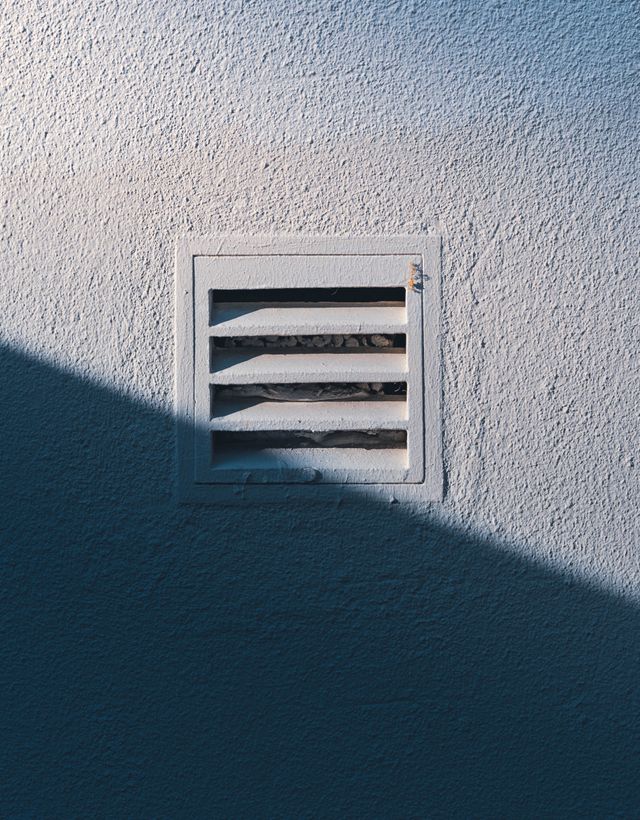
Proper ventilation in subterranean utility spaces requires robust hardware built to withstand moisture and structural pressures. Installing a 6×6 glass block dryer vent provides an airtight exhaust pathway without compromising the security or thermal envelope of your basement. Homeowners and contractors frequently encounter challenges when routing rigid metal ductwork through masonry openings, making pre-engineered venting assemblies an essential component of modern laundry room design.
Engineering Advantages of a Glass Block Dryer Vent 6×6 in Subterranean Spaces
Subsurface utility rooms present unique architectural hurdles, primarily due to high humidity levels and restricted air circulation. Traditional wood or vinyl frame openings often rot or warp under persistent dampness, leading to air leaks and pest infiltration. Integrating a 6×6 glass block dryer vent resolves these vulnerabilities by utilizing a sturdy pre-fabricated frame embedded directly into the surrounding masonry grid. This setup maintains the structural continuity of the glass wall while offering a dedicated, code-compliant exhaust channel for household laundry appliances.
The thermal performance of these assemblies remains superior to standard single-pane window inserts. Because the surrounding glass blocks provide a solid thermal break and dead-air insulation, energy loss around the exhaust perimeter drops significantly. Furthermore, the rigid vinyl or aluminum sleeve housing the flapper mechanism prevents outside drafts from entering the basement during winter months, stabilizing indoor temperatures across the entire lower level.
Maintaining Structural Integrity Around Utility Openings
Cutting into an existing glass masonry wall requires precision engineering to prevent load redistribution failures. Because individual units are non-load-bearing masonry elements, heavy upper weights rest upon steel or concrete lintels rather than the glass courses themselves. When adding an exhaust sleeve, installers must use specialized masonry saws and expansion joints to isolate the metal duct housing from shifting mortar beds. Proper shimming and silicone sealing protect the surrounding mortar from moisture penetration, preventing freeze-thaw cracking during sub-freezing weather conditions.
Selecting the Right Window Dryer Vent for Masonry Openings
Choosing appropriate hardware involves evaluating duct diameter, louver material, and backdraft prevention mechanisms. A standard window dryer vent must accommodate a four-inch rigid aluminum or galvanized steel exhaust pipe, which represents the standard connection size for residential laundry dryers. Selecting commercial-grade components ensures that lint accumulation remains manageable and that high-velocity airflow escapes freely without creating excessive static pressure.
When evaluating various configurations, installers should look for louvers equipped with magnetic closures or gravity-weighted dampers. Lightweight plastic louvers frequently chatter in high winds or stick open due to lint buildup, whereas heavy-duty aluminum flaps seal tightly shut after each drying cycle. This positive seal stops outdoor pests, insects, and cold air from entering the laundry room when the appliance is idle.
Evaluating Material Durability and Corrosion Resistance
Basement window installations face constant exposure to condensed moisture, lawn irrigation overspray, and subterranean humidity. Choosing rust-resistant materials like powder-coated aluminum, heavy-gauge vinyl, or marine-grade stainless steel ensures long-term operational reliability. Untreated steel components deteriorate rapidly when exposed to moist laundry exhaust combined with exterior soil moisture, leading to premature replacement requirements.
Installing a Basement Window Dryer Vent Kit Step by Step
Executing a clean installation requires methodical preparation and adherence to local residential building codes. Utilizing a complete basement window dryer vent kit simplifies the process by providing matched components, including the pre-assembled louvered hood, sleeve extension, interior trim ring, and mounting hardware.
The installation procedure begins by removing an existing glass block or clearing a custom rough opening within the masonry panel. Installers apply a thick bead of polyurethane or silicone sealant around the perimeter of the rough opening before sliding the vent assembly into place. Leveling the sleeve ensures that moisture drains outward rather than pooling inside the basement wall cavity. Once positioned, workers secure the exterior flange against the masonry face using masonry anchors, followed by pointing up any surrounding mortar gaps to achieve a completely weatherproof seal.
| Vent Assembly Component | Material Specification | Primary Functional Role |
| Exterior Louver Hood | Powder-coated aluminum or heavy vinyl | Prevents rain entry and blocks outdoor pests |
| Exhaust Sleeve | Rigid PVC or galvanized steel | Provides a protected four-inch conduit through the wall |
| Backdraft Damper | Gravity-weighted or magnetic flaps | Stops cold air infiltration when the dryer is off |
| Interior Trim Ring | White PVC or matching composite | Delivers a finished aesthetic look inside the utility room |
Connecting the interior ductwork requires securing flexible or rigid aluminum pipe from the dryer exhaust port directly to the back of the vent sleeve using metal worm-gear clamps. Never use sheet metal screws to secure duct joints within the exhaust stream, as screws trap lint fibers and create dangerous fire hazards over time.
Integrating proper exhaust hardware into subterranean utility spaces safeguards indoor air quality, improves appliance efficiency, and protects building materials from moisture damage. By utilizing engineered components designed specifically for masonry openings, property owners achieve a secure, durable, and weather-resistant exhaust system. Evaluate your utility room specifications today and select high-grade hardware to optimize your basement laundry configuration.