
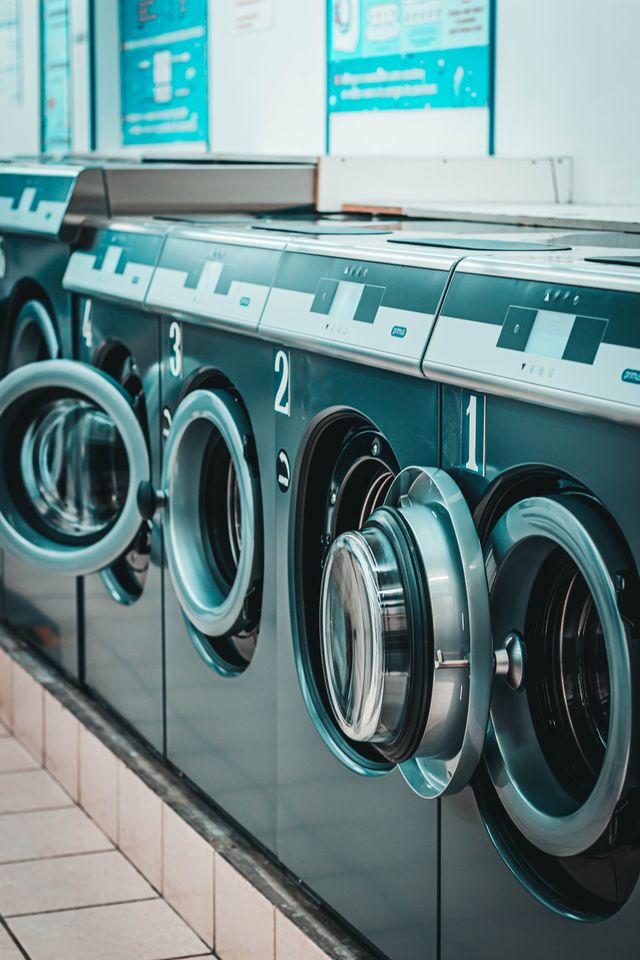
Modern household appliances operate under rigorous daily cycles involving thermal fluctuations, moisture, mechanical vibration, and continuous chemical exposure. Ensuring long-term reliability across washing machines, refrigerators, dishwashers, and ovens requires advanced component engineering. Appliance rubber molding serves as the foundational manufacturing process for producing gaskets, seals, hoses, and vibration-damping mounts that protect internal electronics and prevent fluid leaks. Selecting high-performance elastomers and partnering with experienced component manufacturers ensures structural integrity, energy efficiency, and compliance with strict consumer safety standards.
The Crucial Role of Appliance Rubber Molding in Modern Manufacturing
The design and fabrication of household appliance components require meticulous attention to material science, thermal dynamics, and mechanical load limits. Inside a dishwasher, door seals must maintain elasticity while exposed to scalding water, aggressive detergent chemicals, and steam pressure. In refrigeration units, magnetic door gaskets prevent ambient heat ingress, directly influencing energy efficiency ratings. When engineers specify appliance rubber molding, they are addressing the fundamental need for materials that resist permanent deformation, compression set, and thermal degradation over a decade or more of continuous residential use.
Advanced computer-aided engineering tools simulate material behavior under load before physical tooling is fabricated. Finite element analysis models stress distribution, sealing force retention, and thermal expansion, allowing designers to optimize lip geometries and wall thicknesses. This proactive engineering approach eliminates weak points, prevents premature failure, and ensures that every molded component maintains its operational effectiveness through thousands of mechanical cycles.
Material Science and Thermal Resistance Profiles of Appliance Rubber Molding
Different polymer families provide distinct mechanical and chemical resistance profiles suited for specific appliance subsystems. The table below outlines key characteristics of primary elastomers utilized in modern appliance manufacturing.
| Material Type | Hardness Range (Shore A) | Temperature Range (°C) | Key Chemical Advantage | Primary Appliance Application |
| EPDM Elastomer | 40 to 90 | -40 to 120 | Superior weathering and steam resistance | Washing machine tub gaskets, dryer exhaust seals |
| Silicone (VMQ) | 20 to 80 | -60 to 200 | Exceptional high-temperature stability | Oven door seals, microwave waveguides, coffee maker tubing |
| Nitrile Rubber (NBR) | 30 to 80 | -40 to 100 | Excellent oil and grease resistance | Internal pump seals, compressor vibration mounts |
| Neoprene (CR) | 30 to 80 | -40 to 100 | Balanced flame retardancy and toughness | Motor mounting bushings, drainage hoses |
Material selection directly impacts operational lifespan. Exposing standard organic rubbers to elevated temperatures inside ovens or clothes dryers leads to rapid polymer cross-linking and embrittlement, whereas specialized silicone formulations maintain structural flexibility and sealing performance over extended thermal exposures.
Partnering with an Expert Appliance Industry Gasket Supplier
Securing long-term manufacturing success depends on a rigorous evaluation of supplier capabilities, equipment infrastructure, and quality control systems. When sourcing components, procurement teams must collaborate closely with a qualified appliance industry gasket supplier that maintains accredited quality management certifications such as ISO 9001. Consistent batch-to-batch repeatability ensures that volumetric shrinkage, tensile strength, and durometer hardness remain within strict engineering tolerances across high-volume production runs.
Supply chain stability also depends on raw material traceability and compound verification. Reputable manufacturers provide comprehensive material test reports confirming polymer grade purity and compliance with environmental and safety regulations such as RoHS, REACH, and FDA food-contact standards where applicable. Ensuring that raw elastomers are free from prohibited heavy metals or restricted plasticizers prevents regulatory non-compliance issues during global distribution.
Advanced Molding Technologies for Complex Geometries
Transforming raw polymer compounds into finished, high-tolerance hardware involves specialized manufacturing techniques tailored to specific production volumes and geometric requirements. Compression molding provides excellent structural density and cost efficiency for heavy-duty vibration pads and large door gaskets. Transfer molding accommodates intricate metal-to-rubber bonding operations frequently required in motor mounts and internal pump assemblies.
Liquid silicone rubber injection molding delivers micro-tolerance precision for miniaturized sensor seals, dispenser valves, and lighting enclosures. Closed-loop metering systems mix two-part compounds prior to injection into heated tool cavities, eliminating air entrapment and producing flash-free components with superior surface finishes. Post-curing thermal operations drive off residual volatile organic compounds, ensuring that parts remain dimensionally stable and free from outgassing contaminants that could affect sensitive electronic controls.
Securing reliable appliance performance and energy efficiency across modern residential and commercial environments depends heavily on sourcing precision-engineered elastomeric components. Prioritizing strict material compliance, advanced manufacturing techniques, and robust supplier quality protocols ensures that household devices withstand rigorous daily operational demands. Evaluate your upcoming component requirements today and partner with experienced manufacturing specialists to optimize your supply chain.