
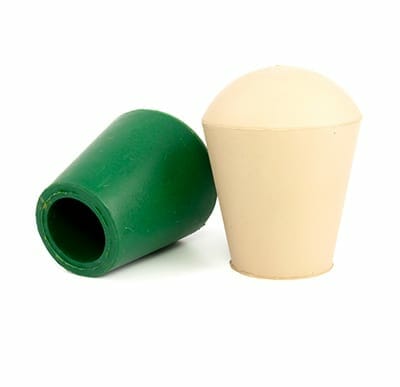
Modern manufacturing requires materials that can withstand rigorous environmental stressors while maintaining their structural integrity. Neoprene rubber molding has become a cornerstone for engineers who need custom-shaped components capable of resisting oil, heat, and weathering. Originally developed as a synthetic alternative to natural rubber, neoprene, or polychloroprene, offers a unique balance of chemical stability and flexibility. This makes it an ideal candidate for a variety of industrial and commercial products that must perform reliably over long periods.
The Strategic Advantage of Neoprene Rubber Molding
The primary benefit of neoprene rubber molding is the ability to produce complex geometries that other materials simply cannot achieve without sacrificing durability. Unlike standard extrusion processes, molding allows for the creation of intricate seals, gaskets, and vibration dampeners that fit precise specifications. This precision is vital in industries where even a millimeter of deviation can lead to mechanical failure or fluid leaks.
Understanding the Process of Molding Neoprene Rubber
When molding neoprene rubber, manufacturers typically utilize three primary techniques to achieve the desired result. The choice of method often depends on the production volume, the complexity of the part, and the required tolerances.
Compression Molding Basics
Compression molding is one of the most traditional forms of production. In this process, a pre-measured amount of raw neoprene is placed into a heated mold cavity. The mold is then closed, and pressure is applied to force the material into every corner of the tool. This method is highly cost-effective for larger parts or lower production runs where the initial tooling cost needs to be kept to a minimum.
Injection Molding for High Volume
For high-volume production, injection molding is the preferred standard. Raw material is heated until it reaches a plastic state and is then injected at high pressure into a closed mold. This allows for extremely fast cycle times and high consistency between parts. It is particularly useful for small, detailed components that require high precision and minimal flash.
Transfer Molding Techniques
Transfer molding serves as a middle ground between compression and injection methods. The material is loaded into a chamber above the mold and then forced through a spruce into the cavity. This allows for better control over the flow of the material, making it ideal for parts that include metal inserts or complex internal structures.
Durability Characteristics of Molded Neoprene Rubber
Engineers frequently specify molded neoprene rubber because of its exceptional performance in outdoor and industrial settings. While other polymers might degrade when exposed to the elements, neoprene maintains its physical properties across a broad spectrum of conditions.
Resistance to Environmental Degradation
One of the standout features of molded neoprene rubber is its resistance to oxidation and sunlight. Many elastomers become brittle or “check” when left outdoors, but neoprene remains supple. This makes it the go-to material for window seals, bridge bearing pads, and outdoor electrical enclosures.
Chemical and Oil Resistance
In automotive and industrial workshops, exposure to oils and chemicals is inevitable. Molded neoprene rubber provides moderate resistance to petroleum-based products, fats, and greases. While it is not intended for constant immersion in gasoline, it handles intermittent splashes and oily environments better than many other general-purpose rubbers.
Key Industrial Applications for Neoprene Rubber Molding
The versatility of neoprene rubber molding allows it to span across numerous sectors, from heavy machinery to consumer electronics.
Marine and Offshore Engineering
The marine industry relies heavily on neoprene because of its resistance to salt water and abrasion. Custom molded parts are used in:
- Wet suit components and diving gear.
- Dock bumpers and marine fendering.
- Seals for underwater cameras and sensors.
- Engine mounts that must resist both vibration and salt air.
Automotive and Transportation Solutions
In the automotive sector, molding neoprene rubber is used to create protective boots for constant velocity joints, steering system components, and vibration-isolating mounts. Its ability to absorb energy while resisting the heat of the engine bay makes it an essential material for vehicle longevity.
HVAC and Construction Sealing
Construction projects often use neoprene for expansion joints and weather stripping. In HVAC systems, molded grommets and seals prevent air leaks and dampen the noise generated by fans and compressors. The material’s fire-retardant properties also make it a safer choice for building components compared to standard plastics.
Technical Specifications and Material Selection
Selecting the right grade of neoprene for neoprene rubber molding requires an understanding of durometer and tensile strength. Manufacturers can adjust the “recipe” of the rubber compound to emphasize certain traits over others.
Customizing Hardness and Durometer
The hardness of rubber is measured on the Shore A scale. Neoprene can be molded in a range from very soft (30 Shore A) to very hard (90 Shore A).
- Soft Neoprene: Ideal for soft seals and cushioning where a tight compression set is needed.
- Medium Neoprene: Typically used for general-purpose gaskets and automotive parts.
- Hard Neoprene: Best for structural pads, bushings, and high-pressure seals.
Physical Property Comparison
The following table outlines the general performance metrics of standard neoprene compared to other common elastomers.
| Property | Neoprene (CR) | Nitrile (NBR) | EPDM |
| Weather Resistance | Excellent | Poor | Outstanding |
| Oil Resistance | Moderate | Excellent | Poor |
| Tensile Strength | High | Moderate | Moderate |
| Compression Set | Good | Good | Excellent |
| Flame Resistance | Good | Poor | Poor |
Maintenance and Longevity of Neoprene Parts
While molded neoprene rubber is incredibly tough, proper maintenance can extend the life of the component significantly. Because the material is non-porous, it does not easily absorb contaminants, but it should still be kept clean of concentrated chemicals that could cause swelling over time.
Cleaning and Storage Protocols
For parts in storage, it is best to keep them in a cool, dry place away from direct sunlight and electric motors, which produce ozone. Cleaning should be done with mild soap and water. Harsh solvents or petroleum-based cleaners should be avoided, as they can strip away the protective surface of the rubber and lead to premature aging.
Inspecting for Wear and Tear
Regular inspections of molded neoprene rubber components should look for signs of surface cracking or permanent deformation. While neoprene has a good “memory” and returns to its original shape after compression, extreme loads over several years may eventually lead to a loss of elasticity. Replacing these parts before total failure occurs is the most effective way to prevent downtime in industrial systems.
Why Neoprene Remains a Top Choice in 2026
Even with the advent of new thermoplastic elastomers, neoprene rubber molding remains a dominant force in the manufacturing landscape. Its unique combination of physical toughness, flame resistance, and environmental stability is difficult to replicate at a similar price point. As industries move toward more sustainable and long-lasting designs, the reliability of neoprene ensures it will continue to be a preferred material for critical sealing and protection tasks. By partnering with an experienced molder, companies can leverage these properties to create products that stand the test of time and harsh conditions.
.