
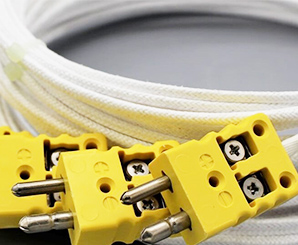
High-temperature manufacturing environments rely on precise thermal instrumentation to maintain operational safety and product quality. Glass manufacturing, semiconductor fabrication, and steel production all require temperature sensors that can withstand extreme heat without melting or drifting out of calibration. This demanding operational requirement is why industrial operations invest heavily in precious metal sensors. Over time, these sensors degrade due to thermal fatigue and chemical contamination, turning into scrap material. Instead of discarding these obsolete components, businesses can recover significant capital by utilizing professional platinum thermocouple wire recycling programs.
Managing industrial scrap precious metals requires a structured approach to ensure maximum financial return. Let us examine how specialized reclamation protocols transform your out-of-service temperature sensors into a valuable revenue stream.
The Financial Importance of Platinum Thermocouple Wire Recycling
Industrial facilities often overlook the residual value trapped inside exhausted temperature sensors. Because these wires are heavily degraded, brittle, or broken, they may look like ordinary scrap metal at first glance, but their material composition remains highly valuable.
Recovering Capital from Discarded Sensors
Implementing a systematic program for your scrap instrumentation directly impacts your operational bottom line. Platinum remains one of the rarest and most expensive commodities used in industrial manufacturing today. Reclaiming these materials allows companies to offset the procurement costs of ordering replacement sensors.
Reducing Raw Material Procurement Costs with Platinum Thermocouple Wire Recycling
The market prices for precious metals fluctuate based on global supply chains and mining outputs. By participating in platinum thermocouple wire recycling programs, processing plants contribute to a sustainable supply loop. This secondary market availability helps stabilize component costs for every manufacturing sector that relies on high-temperature instrumentation.
Understanding Industrial Platinum Recovery and Recycling
The technical processes required to extract high-purity precious metals from industrial scrap are highly sophisticated. Proper platinum recovery and recycling involve complex thermal, chemical, and mechanical steps to separate valuable elements from base metal components and environmental contaminants.
Identifying High Value Thermocouple Alloys
Industrial temperature sensors use specific combinations of platinum and rhodium to measure extreme heat ranges accurately. Knowing your specific sensor type helps estimate the potential recovery value before processing begins.
- Type S Sensors: These contain one wire of pure platinum and a second wire composed of ninety percent platinum and ten percent rhodium.
- Type R Sensors: These utilize a pure platinum wire paired with a wire made of eighty-seven percent platinum and thirteen percent rhodium.
- Type B Sensors: These are designed for even higher temperatures, using one wire with thirty percent rhodium and a companion wire with six percent rhodium.
The Chemical Refining and Purification Process
Once the scrap material arrives at a specialized refining facility, it undergoes a meticulous purification journey to remove all traces of degradation.
Pyrometallurgical Thermal Melting
The scrap wires are subjected to intense heat in specialized furnaces to separate the precious alloys from any attached ceramic insulation, protective sheathing, or mounting hardware.
Hydrometallurgical Chemical Dissolution
The melted metallic mixture is dissolved in advanced chemical solutions. This step allows refiners to isolate the pure platinum molecules from rhodium and any base metal contaminants.
Final High Purity Precipitation
The isolated platinum is precipitated out of the chemical solution and refined into sponge or bullion form, often reaching a purity level exceeding ninety-nine percent.
Operational Steps to Maximize Scrap Value
To get the highest possible return on your industrial scrap investment, your internal teams should follow specific handling and storage protocols before shipping materials to a refiner.
Proper Segregation of Precious Metals
Never mix your platinum sensor scrap with common industrial waste like copper wiring, stainless steel tubing, or aluminum brackets. Even a small amount of cross-contamination complicates the refining process and can increase your total processing fees.
Preserving the Entire Wire Length
Thermocouple elements often become incredibly brittle after years of exposure to high furnace temperatures, causing them to snap easily into small pieces. Instruct your maintenance technicians to remove the wires carefully from their ceramic sleeves, gathering every fragment to prevent weight loss during collection.
Securing Safe Storage Containers
Store your accumulated precious metal scrap in a secure, locked location within your facility. Use heavy-duty, sealed containers to prevent accidental loss or dust contamination during long-term accumulation periods.
Selecting a Qualified Precious Metal Refining Partner
Not all industrial recycling firms possess the specialized equipment and credentials required to handle noble metals efficiently. Choosing the wrong provider can result in lower yield returns and compliance issues.
Comparing Industrial Refining Providers
| Evaluation Factor | Specialized Precious Metal Refiner | General Scrap Metal Yard |
| Assay Capabilities | Advanced laboratory testing for exact alloy percentages | Visual estimations or basic hand-held testing tools |
| Processing Technology | Dedicated chemical induction furnaces for noble metals | Bulk shredding and magnetic separation for base metals |
| Pricing Models | Transparent payouts tied directly to live market spot prices | Flat-rate per-pound pricing that undervalues rare alloys |
| Environmental Compliance | Strict regional and federal emissions tracking | Basic localized recycling permits |
Verifying Laboratory Assay Accuracy
A reputable refining partner must utilize advanced laboratory assay methods, such as Inductively Coupled Plasma spectroscopy, to determine the exact composition of your shipment. This scientific analysis ensures you receive an accurate payment based on the precise weight of the recovered precious metals.
Demanding Complete Transaction Transparency
Look for a recycling provider that offers detailed settlement reports detailing the gross weight of your shipment, the net weight after melt, the verified metal purity, and the processing fees. Transparent communication guarantees a mutually beneficial business relationship.