
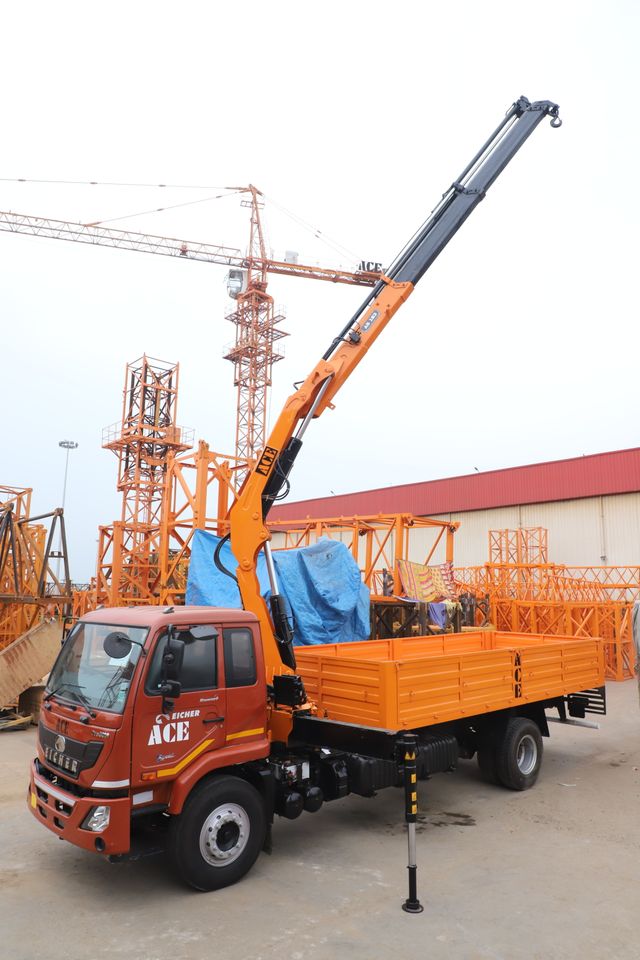
Securing a flatbed truck with crane rental offers construction managers, utility contractors, and industrial operators a dual-purpose solution for heavy material transport and site hoisting. Combining an open flatbed deck with a high-reach hydraulic boom crane eliminates the need to coordinate separate freight transport and stationary lifting equipment. This unified setup reduces mobilization logistics, minimizes site footprint, and accelerates project timelines across urban build sites, utility repairs, and industrial infrastructure projects.
Securing a Flatbed Truck with Crane Rental for Efficient Job Site Hoisting
Logistical efficiency on modern construction sites hinges on reducing equipment downtime and eliminating transport bottlenecks. A self-loading boom truck or flatbed crane unit combines open-deck cargo capacity with onboard hydraulic lifting power. This hybrid capability allows a single vehicle to load heavy materials at a supply facility, transport them across regional highways, and hoist them directly onto target installation points without waiting for secondary equipment to arrive.
Whether moving precast concrete vaults, structural steel fabrications, or commercial HVAC units, self-hoisting flatbeds deliver exceptional operational flexibility. Eliminating separate staging steps keeps labor costs contained and prevents project delays caused by uncoordinated equipment deliveries.
Strategic Advantages of Integrated Flatbed Cranes
Deploying combined transport and lifting machinery delivers several operational benefits over conventional two-vehicle setups. Contractors managing tight urban spaces or fast-paced utility upgrades gain immediate efficiency advantages.
- Single-Vehicle Fleet Efficiency: Combining freight hauling and crane lifting into one chassis reduces fuel consumption, toll expenses, and driver staffing requirements.
- Rapid Site Setup: Hydraulic outriggers deploy quickly, allowing operators to transition from highway travel to active lifting operations within minutes of site arrival.
- Optimized Site Footprint: A single flatbed crane truck occupies significantly less ground space than a separate tractor-trailer and mobile crane, keeping traffic lanes clear.
- Reduced Staging Requirements: Materials remain safely stored on the flatbed deck until the exact moment of placement, eliminating ground storage hazards and re-handling damage.
These practical benefits make integrated flatbed cranes an ideal choice for short-duration utility jobs, machinery transport, and urban building maintenance.
Analyzing Crane Rental Rates Near Me and Price Determinants
Project budget estimation requires a clear understanding of how equipment suppliers calculate rental charges. Evaluating crane rental rates near me involves reviewing multiple pricing variables, including machine capacity, operator requirements, fuel surcharges, and mobilization distances.
Rental structures fall into two primary service models: bare rentals (equipment only) and operated rentals (equipment supplied with a certified crane operator and rigger).
| Rental Service Model | Key Inclusions | Primary Cost Factors | Ideal Project Application |
| Bare Rental | Crane vehicle and basic maintenance support | Monthly equipment rate, contractor insurance, fuel, certified operator payroll | Long-term projects with full-time, certified in-house operators |
| Operated & Maintained Rental | Vehicle, CCO-certified operator, rigger, insurance, maintenance | Hourly or daily minimum rates, mobilization fees, overtime surcharges | Short-term lifts, complex urban hoists, specialized utility placements |
| Turnkey Lifting Services | Full site evaluation, lift plan, crane, crew, permits, rigging gear | Project-based lump sum or comprehensive hourly package pricing | High-risk industrial moves, multi-crane tandem lifts, high-density sites |
Understanding these pricing models enables project managers to request transparent quotes and select the most cost-effective arrangement for their schedule.
Sourcing Dependable Crane Rental Cleveland Options for Northern Ohio Projects
For contractors operating across Cuyahoga County and Northern Ohio, securing a reliable crane rental Cleveland provider ensures access to well-maintained fleets and experienced local crews. Navigating regional weather patterns, tight municipal corridors, and strict local building codes requires equipment partners who understand regional site constraints.
Local suppliers maintain versatile fleets ranging from compact carry-deck cranes for indoor industrial facilities to heavy-duty hydraulic truck cranes for bridge assembly and structural steel erection.
Key Considerations When Booking Regional Crane Equipment
Selecting the right rental partner in the Cleveland area requires evaluating several operational factors before signing a hire agreement:
- Local Permitting and Right-of-Way Access: Verify whether the rental provider assists with obtaining municipal street closure permits and oversized load transport authorizations from local transit authorities.
- Equipment Certification and Inspection Logs: Ensure all rental machinery holds current annual OSHA inspection certificates and documentation of recent non-destructive testing (NDT) on structural boom components.
- Operator Qualifications: Confirm that assigned operators hold valid National Commission for the Certification of Crane Operators (NCCCO) certifications and regional union credentials where required.
- Emergency Support Capabilities: Choose a supplier with a local service dispatch to handle quick hydraulic repairs or equipment swaps if unexpected mechanical issues arise on-site.
Working with an established regional partner guarantees that machinery arrives fully prepped, properly permitted, and ready for immediate deployment.
Integrating a flatbed truck with crane rental into your logistics strategy balances heavy transport capability with versatile site hoisting. Evaluating local crane rental rates near me and partnering with established crane rental Cleveland suppliers ensures your job site stays safe, compliant, and on schedule. Through detailed pre-lift planning, ground evaluation, and strict load chart management, contractors can execute complex material placements with complete confidence.