
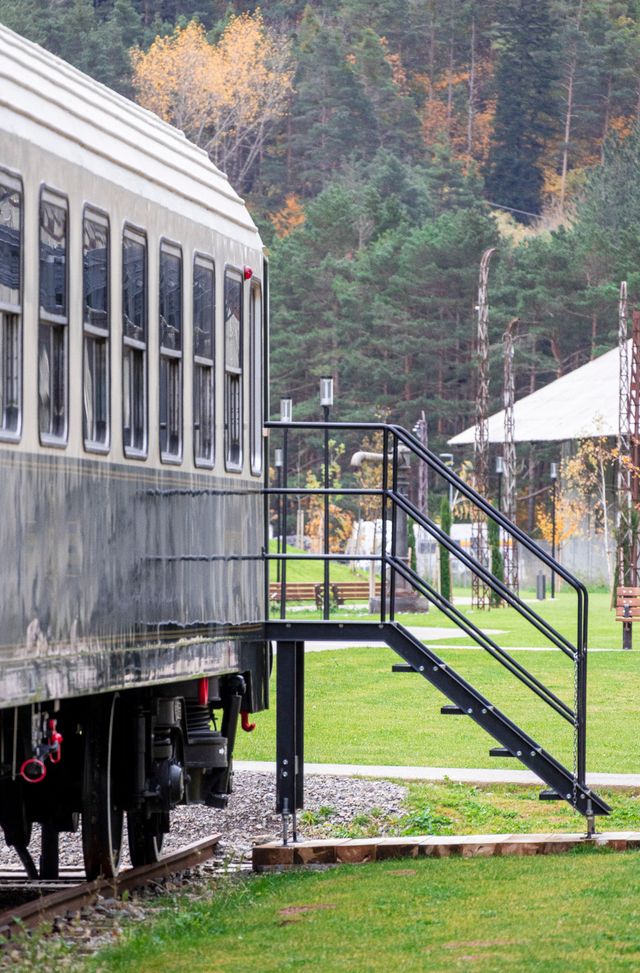
Railcar loading platforms are critical infrastructure for terminals, chemical processing plants, and bulk material handling facilities. Transferring hazardous liquids, dry bulk, or compressed gases between storage tanks and railcars presents significant occupational hazards, including high-altitude falls, chemical exposure, and operational bottlenecks. Installing engineered loading platforms mitigates these risks, ensuring continuous regulatory compliance and maximizing daily loading throughput.
Modern Railcar Loading Platforms: Engineering Standards and Operational Value
Industrial bulk loading operations require robust access solutions capable of handling demanding environmental conditions and heavy daily usage. Modern railcar loading platforms serve as the primary bridge between stationary rack structures and variable railcar configurations. Because railcars vary widely in height, length, and top-hatch arrangements, access platforms must incorporate flexible design features to accommodate different vehicle profiles safely.
Primary engineering considerations include overall structural rigidity, corrosion resistance, and total load capacity. Most heavy industrial terminals opt for hot-dip galvanized steel or structural aluminum to prevent rust caused by weather exposure or chemical splashes. Incorporating modular framing designs allows facilities to expand loading bays or alter platform heights as operational requirements evolve over time.
Key Components of a Rail Car Loading Platform
A complete railcar loading system consists of several integrated sub-assemblies working together to secure the operator’s footpath:
- Self-Leveling Gangways: Adjustable stairs or ramps that extend from the fixed platform to the top of the railcar, maintaining flat, slip-resistant steps regardless of working angle.
- Safety Cages and Enclosures: Full-perimeter enclosures attached to the gangway end that deploy over the railcar hatch, providing 360-degree fall protection without restricting mobility.
- Loading Arms and Hose Trackers: Articulated piping assemblies or heavy-duty hose supports designed to convey liquid or dry products efficiently while minimizing physical strain on operators.
- Integrated Shelter Canopies: Overhead structures designed to protect operators and open hatches from rain, snow, and extreme heat during extended loading procedures.
Railcar Loading Technical Specifications and Platform Configurations
Selecting the proper rail car loading platform configuration depends on site geography, rail spur layout, throughput volume, and the specific materials being handled.
| Feature / Metric | Single-Sided Access Platform | Dual-Sided Tracking Platform | Multi-Station Complex Platform |
| Typical Rail Lines | 1 Track | 2 Parallel Tracks | 2 to 6 Tracks |
| Primary Footprint | Compact / Modular | Medium / Central Spine | Large / Elevated Trestle |
| Operational Focus | Low to Medium Volume | Medium to High Volume | High-Volume Industrial Terminals |
| Gangway Integration | Fixed Position Manual | Tracking / Sliding Carriage | Multi-Position Pneumatic / Hydraulic |
| Fall Protection | Standard 4-Rail Cage | Expanded Envelope Cage | Integrated Safety Wire Line & Cage |
Eliminating Safety Hazards During Railcar Loading Procedures
Falling from height remains one of the leading causes of severe injuries in bulk transportation terminals. Top-loading railcars require operators to walk along curved, metal surfaces that are frequently slick from rain, oil, or product residue. A dedicated railcar loading platform creates a controlled, level working environment that keeps workers safely anchored to structural footings.
OSHA Compliance Guidelines for Overhead Access
Occupational safety standards mandate continuous fall protection for employees working at heights of four feet or higher in general industry settings. Because the top of a standard tank car sits 13 to 15 feet above the track rail, compliant safety systems are legally required.
Properly designed access platforms fulfill federal requirements by maintaining passive fall prevention barriers. Passive systems, such as full-perimeter handrails and integrated safety cages, are inherently safer than active tie-off harnesses because they do not rely on operator compliance or complex lanyard attachment procedures to prevent a fall.
Managing Hazardous Liquid and Dry Bulk Transfer
Spill prevention and vapor control are critical safety requirements when handling volatile chemicals, petrochemicals, or hazardous liquids. Modern platforms integrate dedicated loading arms outfitted with vapor recovery lines, overfill protection sensors, and dry-disconnect couplings.
By stabilizing the operator on a rigid platform, crew members can position heavy loading arms with precision, reducing the risk of accidental hose disconnects, flange leaks, or product spills that endanger personnel and the surrounding ecosystem.
Selecting the Right System for Your Terminal Site
Investing in structural loading access requires careful evaluation of your facility’s long-term operational demands. Tailoring the equipment to your specific rail spur layout ensures optimal safety, minimal maintenance downtime, and maximum return on investment.
Critical Evaluation Factors
- Product Compatibility: Corrosive liquids require specialized coatings or stainless steel components, while food-grade products demand sanitary finishes and washdown capabilities.
- Space Constraints: Measure clear distances between track centers, nearby buildings, and overhead utility lines to ensure adequate clearance for extended gangways and safety cages.
- Future Expansion Plans: Choose modular platform designs that allow you to add extra loading bays or upgrade manual components to automated systems as terminal volume grows.
Frequently Asked Questions
What OSHA standards apply to railcar loading platforms?
Railcar access systems must comply with OSHA General Industry standards under 29 CFR 1910.23 for walking-working surfaces and 29 CFR 1910.28 for fall protection, requiring guardrails and protective barriers for working heights four feet or above ground level.
Can loading platforms accommodate different railcar heights?
Yes. Modern platforms use self-leveling gangways equipped with spring-balanced or powered assist mechanisms. These gangways automatically adjust their steps to remain flat regardless of whether the railcar hatch sits higher or lower than the main platform structure.
How do tracking gangways improve loading efficiency?
Tracking gangways move horizontally along a continuous platform rail. This enables operators to align the access system with railcar hatches precisely without requiring train operators to continuously re-spot or uncouple individual railcars.
Upgrading to engineered railcar loading platforms is a fundamental step toward building a safer, more efficient bulk material terminal. By integrating self-leveling gangways, protective safety cages, and durable structural materials, facilities eliminate high-altitude fall hazards while accelerating daily loading cycles. Evaluating your terminal’s layout, volume requirements, and product characteristics will ensure you implement an access solution that delivers long-term regulatory compliance and operational productivity.