
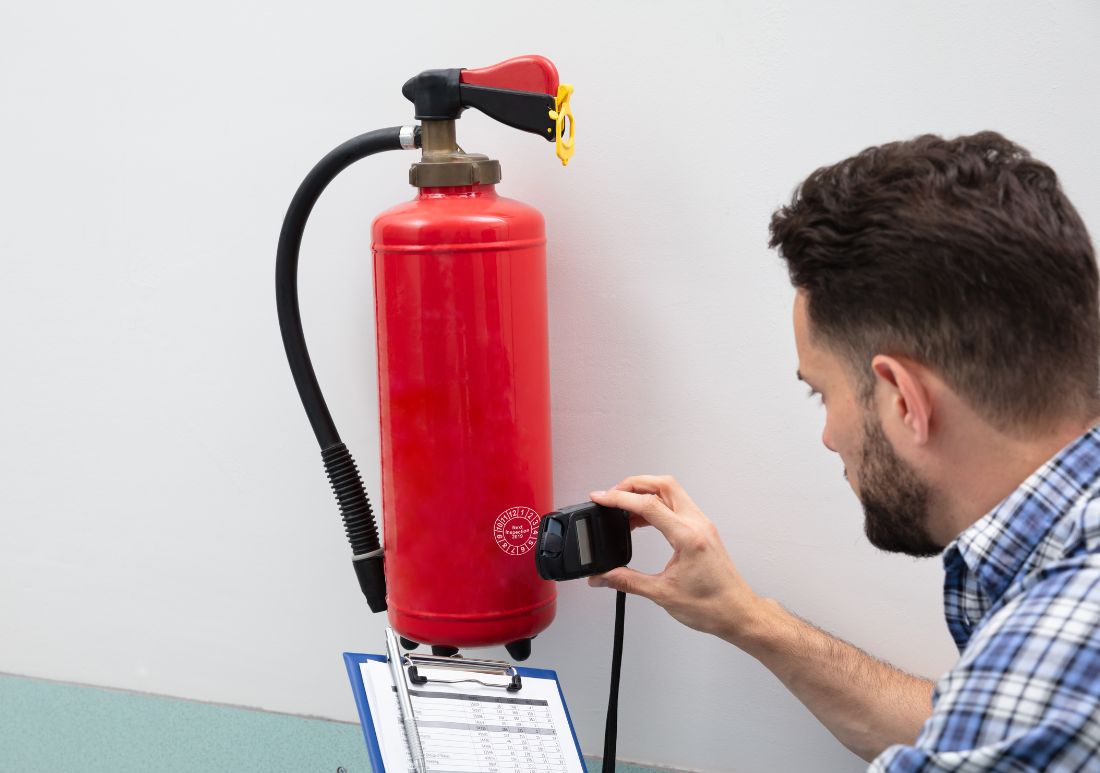
The landscape of facility management is shifting toward a model of constant connectivity. For decades, safety managers relied on manual, periodic checks to ensure their systems were functional. However, the introduction of modern fire equipment inspection software has changed the expectations for building safety. By moving away from static paper logs and embracing digital integration, organizations can now monitor their safety infrastructure in real time. This evolution does more than just simplify a technician’s job. It creates a proactive environment where faults are identified and rectified before they can lead to system failures.
Integrating Fire Equipment Inspection Software with Smart Technology
The most significant advancement in recent years is the ability to connect field devices directly to a central management hub. When you implement fire equipment inspection software, you are no longer limited to the data gathered during a physical walkthrough. Instead, the software acts as a communication bridge between smart sensors and the maintenance team.
The Shift Toward Remote Automated Testing
Remote automated testing allows systems to perform self-diagnostic checks without human intervention. This technology is particularly useful for components located in hard-to-reach areas, such as high ceilings or pressurized crawl spaces.
Self-Testing Smoke Detectors
Modern smoke detectors can now verify their own sensitivity and power levels. The software receives these reports automatically. If a device fails its internal test, a work order is generated instantly. This reduces the need for ladders and lifts, which significantly lowers the risk of workplace injuries.
Digital Monitoring of Water-Based Systems
Water-based suppression systems, including sprinklers and standpipes, require consistent pressure monitoring. Automated sensors can detect a drop in pressure or a slow leak long before a manual gauge check would. The integration with digital platforms ensures that these anomalies are logged and addressed within minutes.
Real-Time Connectivity and IoT
The Internet of Things (IoT) has provided the hardware necessary to make safety “smart.” When these devices are paired with a robust digital platform, the result is a 24-7 safety shield. Facility managers can check the status of an entire campus from a smartphone app, ensuring that every valve, alarm, and extinguisher is in its proper place and fully operational.
Enhancing Compliance through Fire Life Safety Inspection Software
Regulatory bodies are increasingly recognizing the value of digital records over physical ones. Utilizing fire life safety inspection software ensures that your facility meets the latest NFPA and local municipal standards with verifiable precision. Digital systems prevent “pencil whipping,” a term used for when inspectors quickly check boxes without actually performing the work, by requiring digital timestamps and photo evidence for every task.
Moving Beyond Annual Walkthroughs
While annual or semi-annual inspections are the legal minimum, they only provide a snapshot of a building’s health at a single point in time. A system could fail the day after an inspector leaves.
- Continuous Verification: Digital tools allow for monthly automated pings to critical systems.
- Instant Notifications: If a fire door is propped open or a clear path is blocked, sensors can alert the safety team immediately.
- Historical Accuracy: Digital logs provide a chronological history that is impossible to alter, which is essential during official audits.
Standardizing Inspections Across Multi-Site Portfolios
For companies managing dozens of properties, consistency is the biggest hurdle. Fire life safety inspection software allows headquarters to push standardized checklists to every site. This ensures that an inspector in one city is following the exact same rigorous protocols as an inspector in another, maintaining a high baseline of safety regardless of the location.
Improving Accuracy with Fire Safety Inspection Software
Human error is the leading cause of compliance gaps. Misreading a gauge, forgetting to check a specific backflow preventer, or losing a clip-board can all lead to dangerous vulnerabilities. Transitioning to fire safety inspection software removes these variables from the equation.
Centralized Data and Digital Logs
When all safety data resides in the cloud, it becomes an asset rather than a burden. Managers can run reports to identify trends, such as specific brands of extinguishers that fail more frequently or specific zones in a building that experience more frequent false alarms.
Eliminating Human Transcription Errors
In a manual system, a technician writes notes in the field and then someone else types them into a computer later. This double-handling of data is where mistakes happen. With digital tools, the data entered at the equipment site is the exact data that appears in the final report.
Verifiable Audit Trails
In the event of an incident, being able to prove that every safety measure was functional is vital. Digital software tracks exactly who performed an inspection, where they were standing via GPS, and exactly what time they completed the task.
Comparison of Inspection Methods
| Feature | Manual Paper Process | Digital Software Process |
| Data Entry | Double-entry (Field & Office) | Single-entry (Direct from Field) |
| Evidence | Written descriptions only | High-resolution photo attachments |
| Scheduling | Manual calendars and memory | Automated recurring alerts |
| Reporting | Days or weeks to compile | Instant PDF generation |
| Accountability | Difficult to verify presence | GPS and timestamp verification |
Overcoming Implementation Challenges
Moving to a digital system is a significant step, but the long-term rewards far outweigh the initial setup efforts.
Training and Adoption
Modern software is designed with user experience in mind. Technicians who are used to paper often find that mobile apps are actually faster once they learn the interface. Training usually involves a few hours of walkthroughs, focusing on how to take clear photos and how to sync data.
Integrating Legacy Systems
A common concern is that older buildings have legacy hardware that isn’t “smart.” Fortunately, fire safety inspection software is flexible. It can manage manual inputs for older equipment while simultaneously receiving automated data from newer, IoT-enabled sensors. This allows for a gradual upgrade of the building’s infrastructure over time.
As we move further into 2026, the expectation for “intelligent” buildings will only grow. Insurance providers are starting to reward businesses that adopt these technologies with lower premiums, acknowledging that a monitored building is a lower-risk building. By investing in a comprehensive digital platform today, you are securing your assets, protecting your occupants, and ensuring that your business remains on the right side of the law for years to come.