
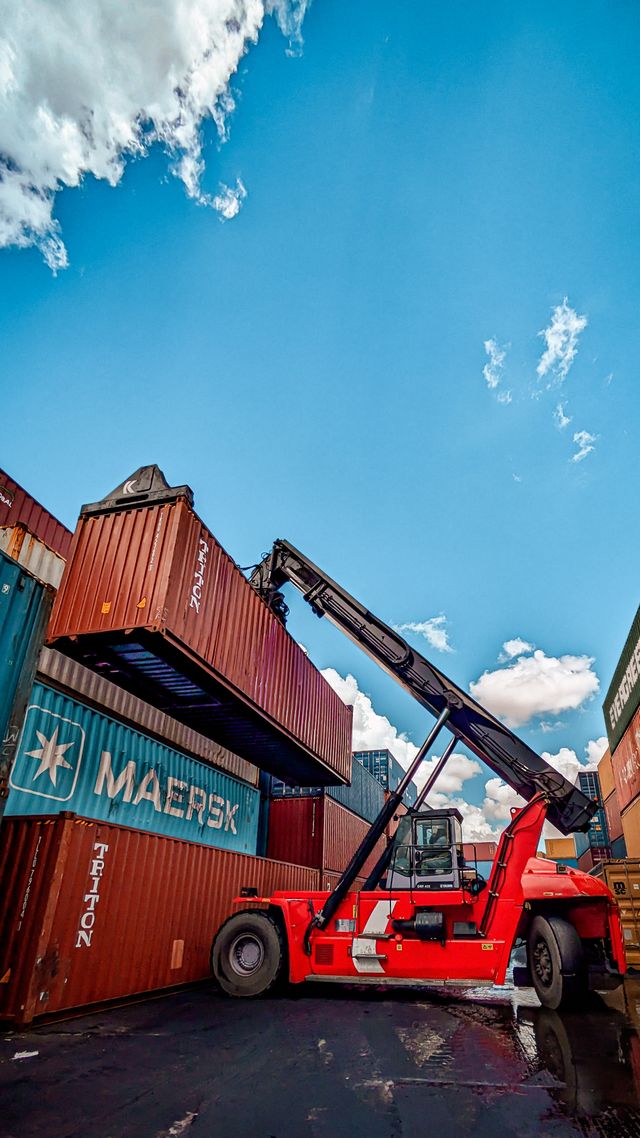
Managing inbound logistics becomes significantly more complex when your facility operates without a traditional raised loading platform. Learning how to unload a container without a loading dock is essential for growing distributors, temporary field sites, and decentralized fulfillment hubs that must process heavy freight at ground level. Relying on inadequate makeshift setups or waiting for specialized transport trucks can delay deliveries, inflate labor expenses, and expose workers to serious injury risks. Developing a structured approach to ground-level material handling allows your organization to maintain smooth operational workflows even when space or infrastructure is limited. By implementing strategic equipment solutions, terminal managers can eliminate processing bottlenecks while keeping their labor budgets under control.
Proven Methods on How to Unload a Container Without a Loading Dock
Operating directly from the ground requires specialized equipment that bridges the height gap between the asphalt and the trailer floor. Standard ocean containers sit approximately four feet above the ground, meaning that your team must establish a safe, stable incline to move goods efficiently.
Deploying Mobile Yard Ramps
A mobile yard ramp serves as a heavy-duty portable roadway that connects the ground directly to the back of a shipping container or flatbed trailer. These steel or aluminum structures can be towed into position using a standard forklift, allowing material handlers to drive and unload containers without a loading dock.
- Hydraulic Height Adjustment: Most professional yard ramps feature manual or pneumatic pumps to match the exact deck height of varying transport vehicles.
- Serrated Grating Walkways: The driving surface typically uses open serrated steel grating, which allows rain, snow, and debris to fall through while providing maximum traction for forklift tires.
Unload Container Without Loading Dock with Loading Platforms
If your facility handles a high volume of freight but lacks the space for a long yard ramp, portable loading platforms offer an excellent alternative module. These modular systems provide a flat, elevated staging area next to the container door, allowing a forklift on the ground to lift pallets from the platform side while a pallet jack operator maneuvers inside the container.
Strategic Solutions: How to Unload a Truck Without a Loading Dock
While ocean containers present specific structural challenges, managing standard dry van trailers requires similar mechanical adaptations. Discovering how to unload a truck without a loading dock involves matching your facility equipment with the specific packaging format of the incoming inventory.
Pallet Jack and Liftgate Collaborations
For smaller distribution centers or retail storefronts, requesting liftgate delivery from the freight carrier is often the easiest pathway. The truck driver uses an integrated hydraulic platform to lower pallets down to street level, where a warehouse worker can easily transport the goods into the building using a standard manual pallet jack.
Forklift Extensions and Boom Attachments
When long or awkwardly shaped cargo arrives on a standard truck, standard forklift forks might not reach far enough into the trailer body. Utilizing specialized fork extensions or crane boom attachments allows ground-based equipment to reach deep into the truck bed from the rear or the side, lifting heavy items out safely without requiring workers to manually slide the cargo forward.
Equipment Selection Profiles for Ground-Level Freight Management
Selecting the ideal combination of tools depends heavily on your daily processing volume, available yard space, and the average weight of your inbound shipments.
| Equipment Type | Maximum Weight Capacity | Ideal Freight Configuration | Space Requirement |
| Mobile Yard Ramps | 15,000 to 30,000 lbs | Heavy palletized goods, industrial machinery | High (requires long approach path) |
| Modular Staging Platforms | 10,000 to 20,000 lbs | Medium volume mixed freight, parcel sorting | Medium (compact square footprint) |
| Electric Liftgates | 2,000 to 5,000 lbs | Light retail pallets, loose boxes, drums | Low (attaches directly to the truck) |
Implementing Conveyor Systems for Loose Cargo
Not all shipping containers arrive neatly packed on wooden pallets. For facilities receiving floor-loaded cartons or loose bags, installing a mobile, flexible gravity conveyor system is highly effective. Workers inside the container simply place the individual boxes onto the rolling conveyor track, which carries the inventory out of the container door and down to ground-level staff for sorting and palletization.
Safety Guidelines for Executing Ground-Level Transfers
Eliminating a standard loading dock means your team will be interacting with heavy machinery and shifting transport vehicles directly on the facility yard pavement. Establishing strict safety boundaries is critical to avoiding preventable workplace accidents.
Stabilizing the Transport Vehicle
Before any warehouse worker enters the container footprint, the trailer must be completely secured to prevent accidental movement. Terminal staff must place heavy wheel chocks behind the rear tires and verify that the air brakes are fully engaged. If the container is detached from the truck cab, installing a heavy-duty trailer stabilizer jack under the front nose prevents the trailer from tipping forward under the weight of an entering forklift.
Monitoring Ground Incline and Surface Integrity
The asphalt or concrete surface where the unloading takes place must be entirely flat and free from structural cracks or soft ground spots. Forklifts operating on an angle are susceptible to tipping, especially when carrying elevated loads down a yard ramp. Supervisors must monitor the path continuously to ensure that grease, water, or loose gravel does not compromise vehicle traction during the transfer process.
Successfully managing a facility without an elevated loading dock requires a deliberate combination of adaptable equipment, specialized training, and strict safety enforcement. By incorporating mobile yard ramps, utilizing flexible conveyor tracks, and selecting the right material handling machinery, logistics managers can easily overcome structural limitations. Investing in the correct ground-level access tools protects your workforce from unnecessary physical strain, minimizes product damage, and keeps your operational handling costs as low as possible.