
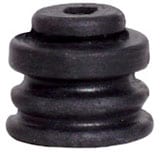
Selecting the right elastomer for sealing applications requires a balance between chemical resistance and structural durability. Nitrile butadiene rubber, frequently referred to as NBR, remains the industry standard for components exposed to petroleum-based fluids, fuels, and mechanical stress. Mastering nitrile rubber molding allows manufacturers to produce high-quality gaskets, O-rings, and seals that maintain their dimensional stability under demanding operating conditions. By controlling compound formulation and curing dynamics, manufacturing facilities can consistently eliminate part defects while maximizing the physical performance of the molded elastomer.
Fundamental Principles of Nitrile Rubber Molding for Industrial Success
Unlocking the full potential of NBR requires a deep understanding of how the polymer behaves under heat and pressure. The acrylonitrile content within the compound directly influences both the chemical resistance and the flexibility of the finished product. Higher levels of acrylonitrile improve the component’s resistance to hydrocarbons, but they also make the material stiffer at low temperatures. Engineering teams must strike a precise balance during the formulation stage to ensure the molded nitrile rubber meets the exact demands of the intended application.
Proper mold design is equally critical to the success of the production run. Nitrile compounds exhibit specific shrinkage characteristics during the cooling phase, which must be accounted for in the tooling geometry. Incorporating precise shrinkage allowances prevents dimensional variance, ensuring that seals fit perfectly into their counterparts without leaking.
Key Benefits of NBR Components
- Exceptional Fluid Resistance: Resists degradation from hydraulic fluids, grease, engine oils, and fuels.
- High Tensile Strength: Delivers robust mechanical properties that prevent tearing under high pressure.
- Good Abrasion Resistance: Withstands continuous friction and wear in dynamic sealing environments.
Comparing Manufacturing Methods for Molded Nitrile Rubber
Different processing techniques are utilized in molding nitrile rubber depending on the complexity of the part, production volume, and cost constraints. Choosing the correct strategy ensures maximum efficiency and minimal material waste.
The Role of Compression Processing
Compression techniques remain highly effective for manufacturing low-volume runs or simple, thick-walled parts. In this process, a premeasured blank of uncured rubber is placed directly into the heated cavity. The press closes, applying substantial pressure to distribute the material throughout the tool. While setup times and tooling costs are lower, manual trimming is often required to remove excess flash.
Utilizing Transfer Techniques
Transfer setups offer an excellent middle ground for intricate geometries or parts that require bonded metal inserts. The raw material is loaded into a pot above the cavity and forced through narrow runners into the closed mold. This method provides better dimensional control and reduces the risk of shifting inserts, though it does increase the volume of scrap left in the distribution channels.
Technical Execution of Molding Nitrile Rubber via Injection
For automated, high-volume manufacturing, injection techniques provide the highest level of precision and consistency. The process involves feeding the raw compound into a heated barrel where a screw masticates the material, reducing its viscosity. The softened rubber is then shot under extreme pressure into the tightly clamped, heated mold cavities.
Because the material is preheated through mechanical shear before entering the cavity, vulcanization occurs much more rapidly than in traditional compression setups. This drastically reduces overall cycle times and improves throughput. The high injection pressure also ensures that intricate details and thin cross-sections are fully filled, eliminating the risk of structural weak points.
Critical Variables in the Elastomer Curing Process
Maintaining strict control over thermal and mechanical variables is essential to prevent part failures and scrap. Even minor deviations can result in incomplete cross-linking or scorched material.
| Variable | Target Control Mechanism | Impact on Finished Part |
| Barrel Temperature | Low thermal input to maintain plasticity | Prevents premature curing inside the screw mechanism |
| Mold Temperature | High thermal input to trigger vulcanization | Dictates the speed and density of the chemical cross-linking |
| Injection Pressure | High hydraulic force during cavity filling | Ensures complete fill of complex geometries without voids |
| Clamping Force | Robust mechanical lock on the tool half | Prevents material from escaping along the parting line |
Properly balancing the barrel and mold temperatures ensures the compound flows smoothly during injection and cures rapidly once inside the cavity. If the barrel is too hot, the rubber will scorch, rendering the batch useless. If the mold is too cool, the cure cycle extends, reducing facility efficiency.
Achieving superior durability in industrial sealing components relies on a disciplined approach to process control. By matching the mechanical requirements of the component with the correct thermal parameters, production teams can guarantee that every batch meets rigid quality standards. Investing in precise tooling and process optimization ultimately results in highly reliable components that safeguard critical mechanical systems against leaks and premature failure.