
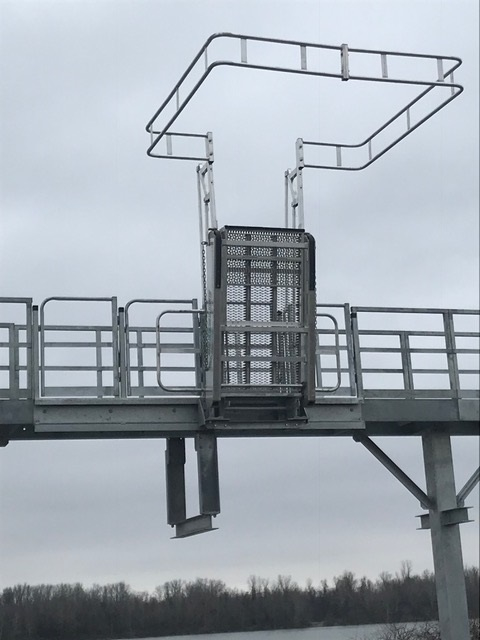
Safe, reliable transport access equipment forms the backbone of any successful bulk loading terminal. Connecting fixed loading bays to variable vehicle heights requires specialized hardware designed to eliminate fall hazards without slowing down processing times. Installing engineered truck gangways provides operators with secure, slip-resistant walking surfaces to inspect hatches, hook up loading arms, and verify cargo levels safely.
Essential Engineering Features of Industrial Truck Gangways
Selecting the right truck gangways for your facility requires evaluating vehicle fleet diversity, structural footprint, and operational cycles. Heavy-duty gangways serve as the primary access bridge between stationary loading platforms and the tops of tank trailers or flatbeds. Because transport heights vary significantly when empty versus fully loaded, gangway steps must self-level automatically to keep walking surfaces flat and safe under all working conditions.
Beyond basic step design, safety cages play a critical role in preventing falls. A broad perimeter safety basket lowers over the vehicle hatch area, surrounding the technician with continuous handrails. This setup eliminates the need for workers to constantly attach lanyard harnesses to overhead wires, saving valuable minutes during every loading cycle while keeping your site compliant with workplace safety rules.
Maximizing Operational Lifespans with Aluminum Truck Access Gangways
Weight management and corrosion resistance are top priorities for high-throughput transfer hubs. Upgrading to aluminum truck access gangways reduces physical strain on personnel while offering superior protection against harsh outdoor environments. Marine-grade aluminum alloys withstand constant exposure to moisture, road salts, and mild industrial fumes without rusting, pitting, or suffering structural fatigue over time.
Because aluminum offers an exceptional strength-to-weight ratio, gangways built with this material move effortlessly. Operators can deploy and retract spring-balanced units with minimal physical effort, reducing workplace fatigue and preventing repetitive strain injuries across long shifts.
Operational Advantages of Lightweight Aluminum Systems
- Smooth Counterbalance Handling: Dual-spring mechanical assemblies allow single-operator positioning without requiring heavy hydraulic or pneumatic lifts.
- Superior Slip Prevention: Open-serrated grating allows water, ice, and chemical residue to drain through immediately, preserving solid footing.
- Lower Structural Load: Reduced system weight lowers the mounting stress placed on existing terminal steelwork and cantilevered access platforms.
- Low Maintenance Requirements: Eliminates the need for periodic repainting or rust-proofing treatments common with standard steel hardware.
Integrating Railcar Gangway Units for Multi-Modal Terminals
Facilities managing rail freight face distinct operational challenges compared to highway transport bays. A heavy-duty railcar gangway must accommodate long, continuous tracks where tank cars or hopper cars park with varying hatch alignments. Trackside platforms often use tracking gangways mounted on linear slide rails, allowing technicians to slide the access unit along the bay until it aligns perfectly with the railcar dome.
Cross-modal logistics hubs benefit immensely from coordinating truck and rail access equipment. Standardizing control interfaces, safety cage latches, and preventive maintenance steps across both rail and truck bays simplifies operator training schedules. It also ensures that site mechanics maintain a streamlined inventory of replacement springs, bushings, and safety gates for faster repairs.
Key Features to Look For in Railcar Access Systems
- Wide-Benched Walkways: Provide ample clearance for technicians carrying heavy sampling equipment, testing kits, or transfer hoses.
- Track-Locking Mechanisms: Secures sliding gangways firmly in place along the track beam before an operator can deploy the steps.
- Safety Interlock Switches: Integrates position sensors with terminal control valves to prevent product flow until gangways sit securely on the car dome.
Maintenance Best Practices for Peak Terminal Uptime
Unplanned equipment downtime halts loading schedules and creates costly vehicle queues at your terminal entrance. Establishing a routine inspection schedule keeps your access equipment functioning reliably and extends its total service life.
Monthly Equipment Inspection Checklist
- Tension Spring Assemblies: Test counterbalance springs to verify smooth operation and confirm the gangway stays raised when stored.
- Self-Closing Safety Gates: Confirm that spring-loaded entry gates close completely without sticking or binding against frame stops.
- Rubber Bumper Guards: Inspect non-sparking rubber bumpers mounted on the underside of safety cages for wear or chemical damage.
- Pivot Point Hardware: Lubricate main hinge pins and check load-bearing fasteners for tightness and proper alignment.
Investing in purpose-built access equipment creates a safe, highly efficient working environment for your entire logistics team. By pairing lightweight, durable materials with smart safety features and regular maintenance, site managers can maintain continuous throughput while protecting workers from elevated fall hazards.