
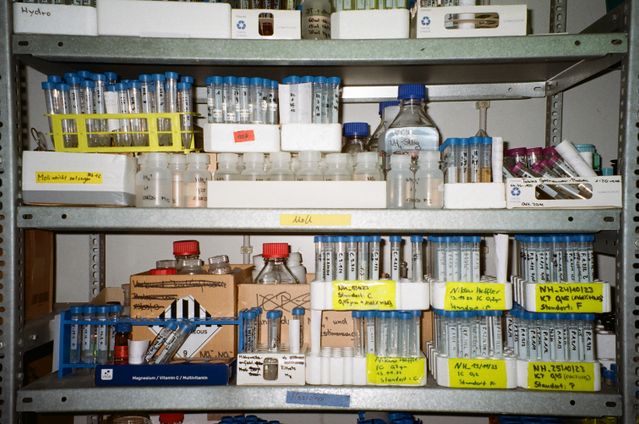
Storing hazardous materials requires strict adherence to safety protocols and dedicated containment systems. Utilizing a designated hazmat storage container protects staff, safeguards property, and prevents environmental contamination caused by chemical leaks or fires. Facility managers must implement robust containment measures that align with environmental and workplace safety regulations. Understanding the foundational requirements of proper chemical handling ensures seamless daily operations while mitigating catastrophic risks across industrial, agricultural, and manufacturing sites.
Essential Features of High-Performance Chemical Storage Containers
Choosing appropriate chemical storage containers requires a detailed evaluation of the specific substances held on site. Different chemical classes present unique hazards, ranging from toxic vapors and corrosive liquids to highly flammable solvents. Selecting engineered hazmat storage container infrastructure helps maintain structural integrity and isolates dangerous reactions.
Secondary Hazmat Storage Container and Spill Control
A primary feature of any regulatory-compliant enclosure is an integrated spill containment sump. Liquid leaks caused by cracked drums or damaged valves must be captured before reaching facility floors or drainage systems. Sump capacities are engineered to hold liquid volumes that meet or exceed regional environmental regulations, neutralizing potential environmental contamination before it occurs.
Climate Control and Ventilation Infrastructure
Volatile compounds and temperature-sensitive chemicals require passive or active climate controls. Mechanical ventilation systems clear harmful fumes, preventing the buildup of flammable vapors or toxic gases inside the unit. Heating and cooling systems keep chemical compounds within safe temperature thresholds, preserving product stability and reducing explosive potential during extreme weather shifts.
| Feature Type | Technical Purpose | Primary Benefit |
| Leak-Tight Sump | Traps spills at the base | Prevents groundwater and soil contamination |
| Explosive-Proof Ventilation | Continuously exchanges internal air | Eliminates hazardous gas and vapor accumulation |
| Fire-Rated Insulation | Delays internal heat transfer | Protects volatile materials during external fires\ |
Securing Operations with a Prefabricated Chemical Storage Building
When internal facility floor space is limited, installing a prefabricated chemical storage building outside the main plant offers an ideal, turnkey alternative. Prefabricated structures arrive fully engineered, tested, and ready for immediate deployment, eliminating long construction delays and reducing on-site disruption.
Fire-Rated Design Specifications
Facilities storing flammable or combustible liquids must select buildings with appropriate fire resistance ratings:
- 4-Hour Fire-Rated Buildings: Designed to sit within close proximity to main facility walls or perimeter lines. These units provide maximum thermal protection to prevent fires from spreading into occupied work zones.
- 2-Hour Fire-Rated Buildings: Suitable for locations positioned 10 to 30 feet away from existing structures, offering balanced heat resistance and spatial safety.
- Non-Combustible Storage Units: Ideal for non-flammable chemicals, outdoor locations placed over 30 feet away from property lines, or sites dedicated purely to corrosive material isolation.
Modular Flexibility and Customization
Every industrial operation manages distinct inventory volumes. Modern modular designs allow engineering teams to incorporate explosion-proof lighting, heavy-duty shelving, ramp access for forklifts, and automatic fire suppression systems directly into the unit layout before delivery.
Strategic Placement and Maintenance Protocols
Deploying heavy-duty hazardous material enclosures requires strategic planning beyond initial unit selection. Site positioning, access routes, and routine inspection schedules dictate the long-term effectiveness of your chemical safety program.
Site Selection and Access Clearance
Position containment buildings on flat, concrete foundations away from high-traffic vehicular lanes, unsealed water sources, and storm drains. Ensure clear, unobstructed pathways around access doors so emergency response teams and material handlers can operate safely without restriction.
Routine Inspection Guidelines
Maintaining chemical isolation hardware involves systematic upkeep:
- Inspect Sump Basins: Check secondary containment sumps weekly for accumulated debris, moisture, or chemical residues.
- Test Ventilation Systems: Verify that exhaust fans, louvers, and gas detection sensors operate correctly and remain free of blockages.
- Verify Door Locks and Latches: Ensure self-closing doors, emergency release handles, and security locks function smoothly without sticking.
Implementing a secure hazmat storage container framework reduces operational risks, protects employees, and ensures complete regulatory alignment. Investing in properly engineered storage infrastructure provides long-term peace of mind, allowing facility managers to focus on core productivity while keeping critical environmental and safety standards intact.