
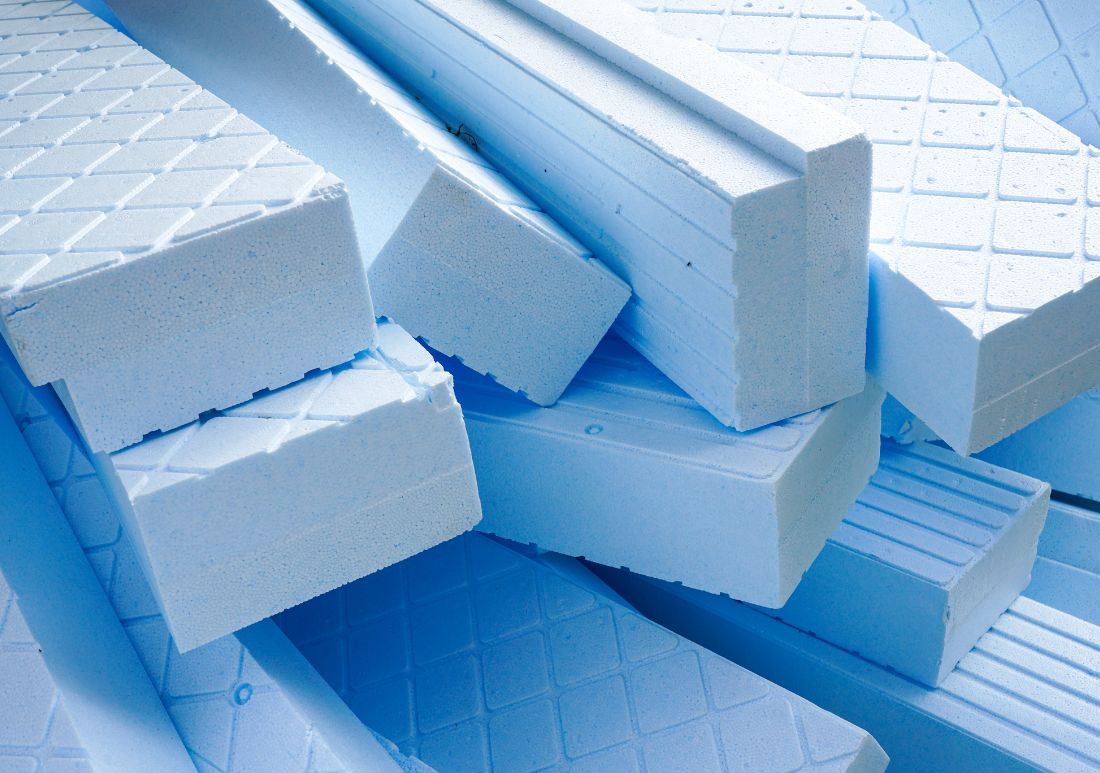
Modern manufacturing hinges on precision, especially when managing the intense thermal demands of injection and compression molding. Implementing high-performance glastherm insulation allows operators to maintain tight temperature control while shielding the press from excessive heat. This specialized material serves as a thermal break between the heated mold and the press platen, ensuring that thermal energy stays exactly where it belongs. By reducing heat transfer to the machine, companies can prolong the life of their equipment and decrease the cooling time required for the surrounding environment. This strategic upgrade does more than just save energy; it enhances the overall quality of the finished product by ensuring uniform heat distribution.
The Strategic Advantage of Glastherm Insulation
Heat management is often the deciding factor in the success of a production run. Without glastherm insulation, heat escapes from the mold and migrates into the machine platens. This migration causes the machine to work harder to maintain the target temperature, leading to inconsistent cycles and potential warping of the molded parts. By installing a high-quality thermal barrier, you create a more stable environment for your tools.
Extending the Lifespan of the Press
When heat is allowed to transfer from the mold into the press, it can damage sensitive components like hydraulic seals and electronics.
- It prevents the overheating of the press platen.
- It reduces the thermal expansion of the machine base.
- It lowers the maintenance frequency for hydraulic systems.
Improving Part Consistency and Quality
Uneven mold temperatures often result in “sink marks” or dimensional variations in plastic parts. A dedicated thermal barrier ensures that the mold faces stay at a constant temperature throughout the entire cycle. This level of control is essential for industries with tight tolerances, such as medical device manufacturing and aerospace engineering.
Technical Specifications of Glastherm ht200
When dealing with extreme temperatures, standard insulation materials often crumble or lose their structural integrity. This is where Glastherm ht200 stands out as an industry standard. Designed specifically for high-temperature applications, this material is a glass-reinforced thermoset composite that provides exceptional compressive strength even when the heat rises significantly.
High Compressive Strength Under Heat
Unlike common fiberglass boards that may compress or deform, Glastherm ht200 maintains its thickness and flatness under the intense clamping pressures of a molding press. This stability is vital for maintaining the alignment of the mold, which prevents flashing and other molding defects.
Why You Need a Reliable Glastherm Distributor
Sourcing your materials from a verified glastherm distributor is the best way to ensure you are receiving authentic, high-performance product. Because this material is critical to the safety and efficiency of your press, utilizing counterfeit or lower-grade alternatives can lead to catastrophic failure. A professional supplier provides more than just the raw sheets, they offer the technical expertise needed to choose the right thickness and grade for your specific application.
Custom Fabrication and Cutting Services
Every mold is different, and a standard rectangular board rarely fits perfectly without modification. Most reputable suppliers offer custom CNC cutting services to deliver insulation that matches your mold dimensions exactly.
- Precision waterjet cutting for complex shapes.
- Pre-drilled holes for mounting bolts and knockouts.
- Thicknesses tailored to your specific press requirements.
Technical Support and Material Selection
An experienced glastherm distributor can help you calculate the potential energy savings associated with various insulation thicknesses. They can also provide data sheets and safety certifications required by your insurance providers or internal quality departments.
Financial Benefits of Improved Thermal Management
Investing in high-grade insulation is a financial decision that pays for itself through energy savings and reduced scrap rates. When you look at the total cost of ownership for a molding press, the cost of the insulation is a small fraction of the potential losses caused by poor heat control.
Reducing Energy Consumption
A mold that is not properly insulated acts like a radiator, heating the air in the factory instead of the plastic in the cavity. By trapping the heat inside the mold, the heaters do not have to cycle as frequently. This leads to a measurable reduction in kilowatt-hour consumption per part produced.
Shortening Cycle Times
When the press platens are kept cool, the overall cooling phase of the molding cycle can be more efficient. This allows the machine to open sooner, increasing the number of parts produced per hour. Even a few seconds saved per cycle can add up to thousands of dollars in increased production capacity over the course of a year.
Comparison of Insulation Performance
| Material Property | Standard Fiberglass Board | Glastherm ht200 |
| Max Service Temp | Lower Resistance | Very High Resistance |
| Compressive Strength | Moderate (may deform) | High (maintains flatness) |
| Durability | Prone to fraying | High impact resistance |
| Moisture Resistance | Absorbs oil/water | Excellent chemical barrier |
| Precision | Variable thickness | Precision ground surfaces |
Enhancing Operator Safety
Beyond the mechanical and financial benefits, better insulation creates a safer working environment. When a press is properly insulated, the external surfaces of the machine stay much cooler. This reduces the risk of accidental burns for the technicians who are setting up the mold or performing maintenance. Furthermore, by keeping the heat contained, the factory floor remains at a more comfortable temperature, which improves worker morale and reduces the strain on the building’s air conditioning system.
Reducing Ambient Heat in the Facility
Factories that run multiple high-temperature presses can become uncomfortably hot very quickly. By utilizing glastherm insulation, you are essentially “insulating” the factory itself from the heat of the production process. This leads to a more stable environment for both the machinery and the human workers.
Mitigating Smoke and Odors
Low-quality insulation can smoke or release unpleasant odors when it reaches high temperatures for the first time. The high-quality resins used in the HT series are designed to be low-outgassing, ensuring that your facility air remains clean and safe to breathe.
Investing in Long-Term Efficiency
Upgrading your facility with high-performance thermal barriers is a clear win for both production quality and the bottom line. By selecting the right grade of Glastherm ht200 and working with a knowledgeable glastherm distributor, you ensure that your molding operations are as efficient as possible. The reduction in energy costs, the protection of expensive machinery, and the improvement in part quality all contribute to a very fast return on investment. In an era where manufacturing margins are tighter than ever, the ability to control every watt of energy and every degree of temperature is a significant competitive advantage. Turning to digital tools and advanced materials is the most reliable way to future-proof your molding operations for the challenges of 2026 and beyond.