
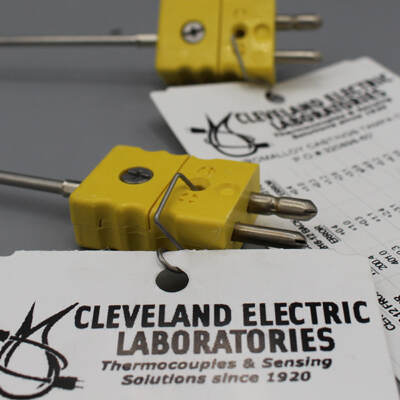
Achieving precise temperature control in high-heat environments requires specialized sensors that can withstand extreme conditions without losing calibration. A platinum thermocouple remains the standard for such demanding applications because of its exceptional chemical inertness and high melting point. Unlike base metal sensors that oxidize and drift at elevated temperatures, noble metal versions offer long-term stability and repeatable results. These instruments are essential for industries such as glass manufacturing, semiconductor processing, and aerospace testing, where even a slight deviation in thermal data can lead to catastrophic failure or significant product loss.
Why Industrial Applications Require a Platinum Thermocouple for Thermal Stability
Industrial processes operating above 1200 degrees Celsius often face a rapid degradation of standard measurement tools. The use of a platinum thermocouple addresses this by leveraging the inherent stability of noble metals. While the initial investment for these sensors is higher than for Type K or Type J sensors, the return on investment is found in reduced downtime and the elimination of frequent sensor replacements. The thermal stability of these devices ensures that the data used for process control remains accurate throughout the entire production cycle.
Understanding Noble Metal Sensor Composition
The classification of noble metal thermocouples primarily involves the use of platinum in combination with rhodium. These combinations are categorized into Type S, Type R, and Type B sensors. Each type offers different advantages depending on the specific temperature range and the atmosphere of the furnace or kiln. Because these materials are non-reactive, they do not suffer from the same internal oxidation issues that plague nickel-based alloys.
The Role of Chemical Inertness in Precision
A significant advantage of noble metal sensors is their resistance to chemical attack. In oxidizing atmospheres, platinum maintains its structural integrity, which prevents the sensor from becoming brittle. This resistance to environmental contamination is why these sensors are preferred in laboratories and high-end manufacturing facilities. The precision of the measurement is directly linked to the purity of the metal used in the construction of the probe.
Technical Breakdown of the Platinum Rhodium Thermocouple
A platinum rhodium thermocouple consists of one wire made of pure platinum and a second wire composed of a platinum-rhodium alloy. The ratio of rhodium determines the specific type of thermocouple. For example, Type S uses a 10 percent rhodium alloy, while Type R uses 13 percent. This alloyed wire provides the necessary thermoelectric voltage when paired with the pure platinum leg, allowing for accurate temperature readings even in environments reaching 1600 degrees Celsius.
Differentiating Type S and Type R Sensors
Type S and Type R are very similar in their performance characteristics, yet they are not interchangeable without recalibrating the control system. Type R offers a slightly higher signal output and improved stability at higher temperatures because of the higher rhodium content. Both types are frequently used in the glass and steel industries, where precise monitoring of molten materials is mandatory for quality assurance.
The High Temperature Capacity of Type B Sensors
Type B sensors use a different configuration, typically consisting of one leg with 6 percent rhodium and the other with 30 percent. This allows the platinum rhodium thermocouple to operate at even higher temperatures, reaching up to 1700 degrees Celsius or more. However, Type B sensors are less sensitive at lower temperatures, meaning they are rarely used for applications below 600 degrees Celsius. Their primary use is in ultra-high temperature research and specialized ceramic firing.
Material Requirements for Thermocouple Wire Platinum
The quality of the thermocouple wire platinum used in a sensor determines the overall accuracy and lifespan of the device. Manufacturers must use ultra-pure metals to ensure that the thermoelectric properties remain consistent from one batch to the next. Any impurities in the wire can lead to “parasitic” voltages that distort the temperature reading, causing the control system to react to false data.
Refining Purity for Measurement Accuracy
High-grade sensors require platinum that is refined to a level of 99.99 percent or higher. This level of purity ensures that the relationship between temperature and voltage follows the standard reference tables established by international bodies. When purchasing thermocouple wire platinum, it is essential to verify the trace element analysis to guarantee that contaminants like silicon or iron are not present, as these can migrate into the metal at high temperatures and cause rapid failure.
Mechanical Handling of Noble Metal Wires
Because noble metals are relatively soft, the handling of the wire during the assembly of a sensor is a technical challenge. Any stretching or twisting of the wire can introduce mechanical stress, which alters the thermoelectric output. Professional assemblers use specialized tools to ensure the wire remains in a “dead soft” annealed state, which provides the most stable and predictable thermal response.
| Thermocouple Type | Composition (Positive Leg) | Composition (Negative Leg) | Max Temperature |
| Type S | Pt / 10% Rhodium | Pure Platinum | 1480°C |
| Type R | Pt / 13% Rhodium | Pure Platinum | 1480°C |
| Type B | Pt / 30% Rhodium | Pt / 6% Rhodium | 1700°C |
Performance Advantages Over Base Metal Alternatives
While base metal thermocouples are suitable for lower temperature ranges, they cannot compete with the performance of noble metals in extreme heat. The primary difference lies in the rate of drift. Base metal sensors experience a shift in their calibration almost immediately upon exposure to high temperatures because of the internal oxidation of the alloys.
Analyzing the Impact of Sensor Drift
Sensor drift is a silent problem that can compromise the quality of a manufacturing process. As a base metal sensor degrades, it may report a temperature that is lower than the actual heat inside the chamber. This causes the furnace to overheat, potentially damaging the equipment or the product being processed. A noble metal sensor provides a consistent signal over thousands of hours of operation, significantly reducing the risk of thermal overrun.
Longevity in Oxidizing Atmospheres
Most high-temperature industrial processes occur in oxidizing atmospheres. Under these conditions, the chromium and aluminum in base metal wires form oxides that change the chemical composition of the wire. Platinum and rhodium do not form these oxides, meaning the wire stays chemically the same throughout its life. This characteristic makes a noble metal sensor the most reliable choice for continuous monitoring in kilns and furnaces.
Best Practices for Installation and Protection
To maximize the life of a noble metal sensor, proper installation is necessary. This involves the use of high-purity ceramic protection tubes to prevent the wire from coming into contact with harmful vapors or molten materials.
Selecting High-Purity Ceramic Sheaths
Silicon is a major enemy of platinum. If platinum comes into contact with silicon at high temperatures, a eutectic reaction occurs that makes the platinum brittle and leads to immediate failure. Therefore, sensors must be housed in high-purity alumina (99.7 percent Al2O3) protection tubes rather than standard porcelain or mullite. These alumina tubes provide a gas-tight barrier that protects the thermocouple wire platinum from environmental contamination.
Cold Junction Compensation Requirements
Like all thermocouples, noble metal versions require accurate cold junction compensation (CJC). Because the voltage generated by a platinum thermocouple is quite low compared to base metals, the accuracy of the CJC measurement at the instrument end is critical. Even a small error at the cold junction can translate into a significant error at the measurement tip. High-precision controllers and extension wires must be used to maintain the integrity of the signal from the furnace to the control room.
Maintaining Calibration and Recalibration Cycles
Even though noble metal sensors are highly stable, they still require periodic verification to ensure they remain within the specified tolerance. In many regulated industries, such as aerospace (AMS2750) or medical device manufacturing, regular calibration is a mandatory requirement.
The Importance of Calibration Certificates
When a new sensor is put into service, it should be accompanied by a calibration certificate that proves its accuracy against a traceable standard. This documentation provides the baseline data needed to track the sensor’s performance over time. If a sensor is found to be out of tolerance, it can often be “re-tipped” by a manufacturer, where the contaminated portion of the wire is removed, and a new junction is formed, saving a significant portion of the material cost.
In-Situ Verification Methods
In some applications, it is possible to verify a sensor while it is still in the furnace. This involves placing a “master” sensor next to the working sensor and comparing the readings. If the deviation exceeds the allowed limit, the working sensor is replaced. This proactive approach prevents the use of inaccurate sensors and helps maintain the overall quality of the thermal process.
Economic Considerations for Noble Metal Sensors
The cost of a noble metal sensor is tied directly to the market price of platinum and rhodium. While the initial expense is high, the ability to recycle the material adds significant value.
Recycling and Scrap Value of Platinum Wires
One of the most attractive features of noble metal sensors is that the wire maintains its scrap value even after it has failed as a sensor. Companies can return used thermocouple wire platinum to a refiner to recover a large portion of the initial investment. This “closed-loop” system makes the total cost of ownership much more competitive when compared to base metal sensors, which have no scrap value after they fail.
Calculating the Total Cost of Ownership
When evaluating the cost of a sensor, managers must look beyond the purchase price. The total cost of ownership includes the cost of the sensor, the labor required for installation, the cost of downtime during replacement, and the potential cost of ruined product due to inaccurate readings. In most high-temperature scenarios, the superior performance and recyclability of a noble metal sensor make it the more economical choice over the long term.